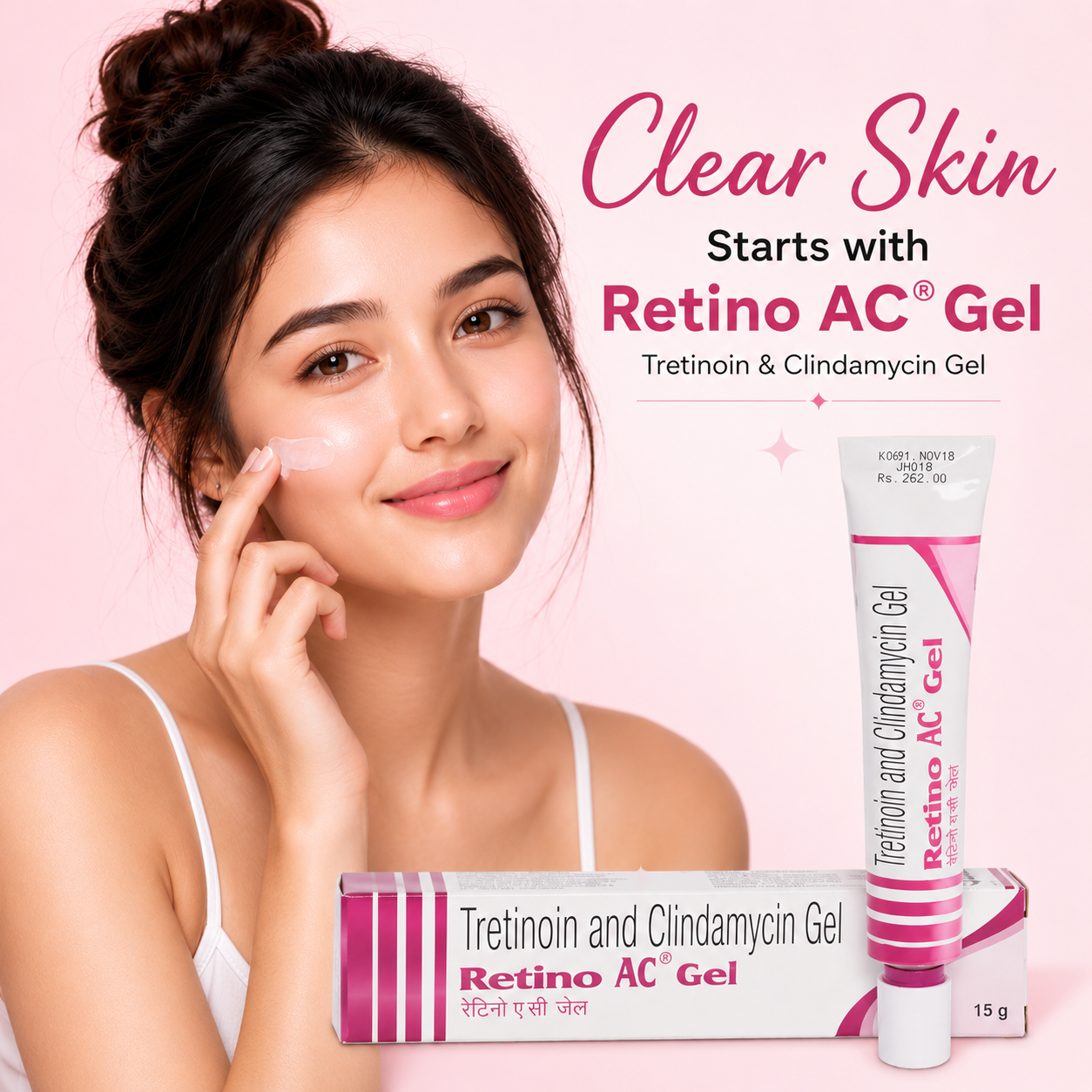

What Skin Concerns Can Retino AC Gel Be Used For?

Quote from emmacollins on August 31, 2026, 10:47 amRetino AC Gel is a topical acne treatment that may be used to manage acne-prone skin and related concerns, depending on its specific ingredients and a healthcare professional’s recommendation. Products sold under this name can contain combinations such as adapalene and clindamycin, so checking the product label is important before use. Acne commonly develops when hair follicles become blocked by excess oil and dead skin cells, followed by inflammation. A suitable topical treatment may help address these processes and reduce new breakouts. Retino AC Gel is generally applied directly to affected areas rather than used as a general-purpose moisturizer or cosmetic cream.
One of the main concerns for which a retinoid-containing acne gel may be recommended is comedonal acne, including blackheads and whiteheads. Retinoids such as adapalene help regulate the growth and shedding of skin cells inside hair follicles, which can reduce the tendency of pores to become blocked. With consistent use, this may help prevent the formation of new clogged pores. The product may also be considered for inflammatory acne, where pimples become red, swollen, or tender. If the formulation contains an antibiotic such as clindamycin, it may help reduce acne-causing bacteria and inflammation. However, antibiotic-containing acne products should be used only according to professional advice.
Retino AC Gel may also be helpful when acne is accompanied by uneven skin texture and recurring breakouts. By helping keep follicles from becoming blocked, a topical retinoid can support smoother-looking skin over time. It is important to understand that acne treatments usually require patience. Some people may experience dryness, redness, peeling, or mild irritation during the early stages of treatment. Applying more gel does not make acne clear faster and may increase irritation. A gentle cleanser, suitable moisturizer, and daily sunscreen can help support the skin while using an acne treatment. If irritation becomes severe or persistent, the product should be reviewed with a dermatologist.
Another important point is that Retino AC Gel should not automatically be considered a treatment for every type of skin discoloration, rash, or pigmentation problem. Dark marks left after acne may gradually fade as the skin heals, but they can have different causes and may require a different treatment approach. Conditions such as eczema, rosacea, fungal infections, allergic reactions, or other rashes can sometimes look similar to acne but need different care. Using an acne medication on an undiagnosed skin condition could worsen irritation or delay appropriate treatment. For persistent, painful, cystic, or scarring acne, a dermatologist can determine the severity and recommend a treatment plan suited to the individual.
Overall, Retino AC Gel may be used primarily for acne, clogged pores, blackheads, whiteheads, and certain inflammatory breakouts, depending on its formulation and medical recommendation. Results can vary according to the severity of acne, skin type, consistency of use, and other factors. It should be applied as directed, and users should avoid combining it with multiple irritating skincare products unless advised by a healthcare professional. Pregnant individuals or those planning pregnancy should discuss retinoid-containing treatments with their healthcare provider before use. If acne continues to worsen, causes significant pain, or leaves scars, professional evaluation is recommended so the underlying cause can be identified and the most appropriate treatment selected.
Retino AC Gel is a topical acne treatment that may be used to manage acne-prone skin and related concerns, depending on its specific ingredients and a healthcare professional’s recommendation. Products sold under this name can contain combinations such as adapalene and clindamycin, so checking the product label is important before use. Acne commonly develops when hair follicles become blocked by excess oil and dead skin cells, followed by inflammation. A suitable topical treatment may help address these processes and reduce new breakouts. Retino AC Gel is generally applied directly to affected areas rather than used as a general-purpose moisturizer or cosmetic cream.
One of the main concerns for which a retinoid-containing acne gel may be recommended is comedonal acne, including blackheads and whiteheads. Retinoids such as adapalene help regulate the growth and shedding of skin cells inside hair follicles, which can reduce the tendency of pores to become blocked. With consistent use, this may help prevent the formation of new clogged pores. The product may also be considered for inflammatory acne, where pimples become red, swollen, or tender. If the formulation contains an antibiotic such as clindamycin, it may help reduce acne-causing bacteria and inflammation. However, antibiotic-containing acne products should be used only according to professional advice.
Retino AC Gel may also be helpful when acne is accompanied by uneven skin texture and recurring breakouts. By helping keep follicles from becoming blocked, a topical retinoid can support smoother-looking skin over time. It is important to understand that acne treatments usually require patience. Some people may experience dryness, redness, peeling, or mild irritation during the early stages of treatment. Applying more gel does not make acne clear faster and may increase irritation. A gentle cleanser, suitable moisturizer, and daily sunscreen can help support the skin while using an acne treatment. If irritation becomes severe or persistent, the product should be reviewed with a dermatologist.
Another important point is that Retino AC Gel should not automatically be considered a treatment for every type of skin discoloration, rash, or pigmentation problem. Dark marks left after acne may gradually fade as the skin heals, but they can have different causes and may require a different treatment approach. Conditions such as eczema, rosacea, fungal infections, allergic reactions, or other rashes can sometimes look similar to acne but need different care. Using an acne medication on an undiagnosed skin condition could worsen irritation or delay appropriate treatment. For persistent, painful, cystic, or scarring acne, a dermatologist can determine the severity and recommend a treatment plan suited to the individual.
Overall, Retino AC Gel may be used primarily for acne, clogged pores, blackheads, whiteheads, and certain inflammatory breakouts, depending on its formulation and medical recommendation. Results can vary according to the severity of acne, skin type, consistency of use, and other factors. It should be applied as directed, and users should avoid combining it with multiple irritating skincare products unless advised by a healthcare professional. Pregnant individuals or those planning pregnancy should discuss retinoid-containing treatments with their healthcare provider before use. If acne continues to worsen, causes significant pain, or leaves scars, professional evaluation is recommended so the underlying cause can be identified and the most appropriate treatment selected.